PHYSICAL DEVELOPMENT
Movement, strength, power, speed, conditioning, coordination, training age, growth stage, injury history and current workload.
 Book an inquiry ↗
WHOLE-ATHLETE ASSESSMENTS
An age-aware review of the athlete’s full development picture—turned into clear priorities and practical next steps.
UNDERSTAND · PRIORITIZE · REASSESS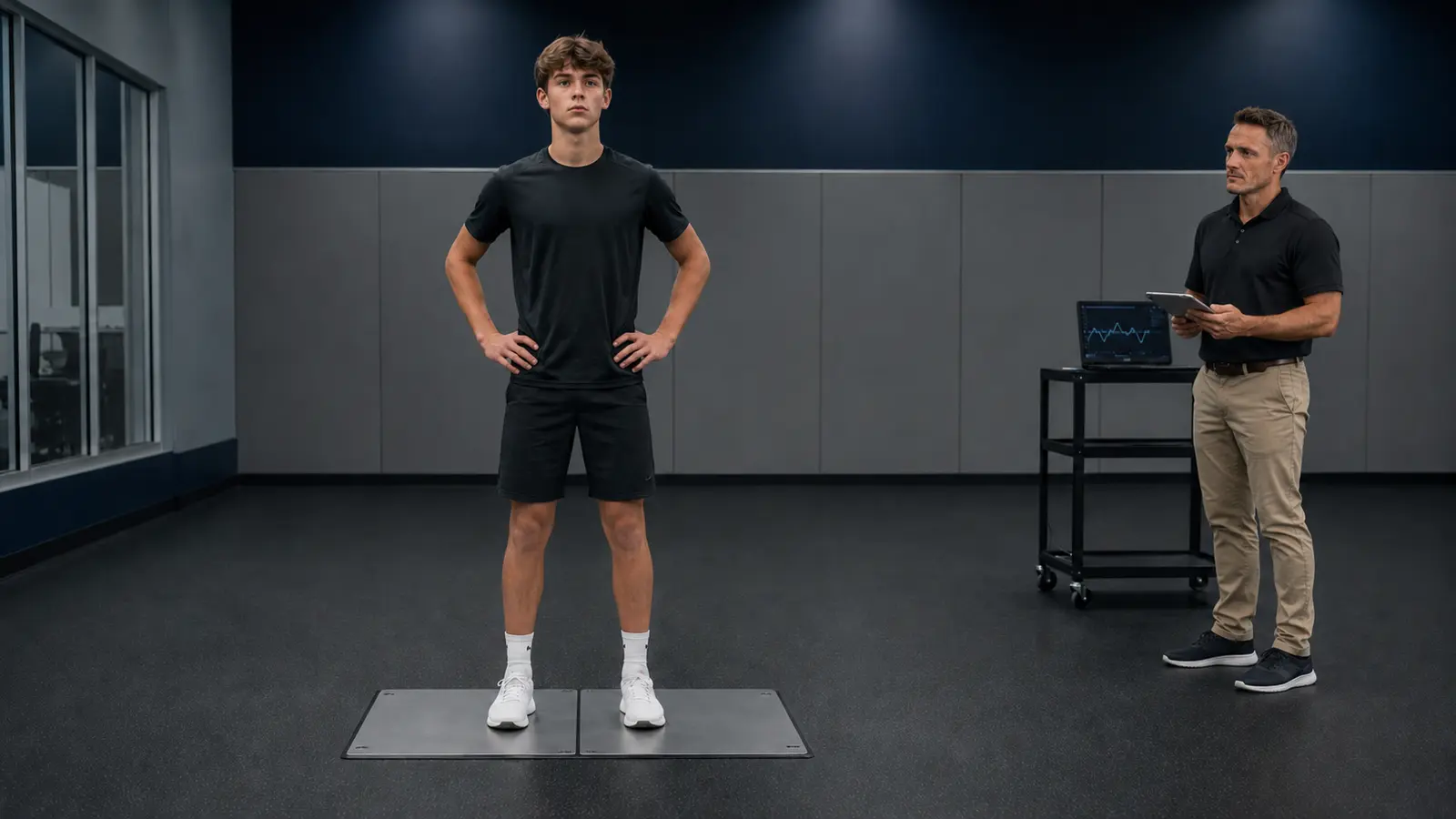
WHY ASSESS
Summit 2911 assessments help athletes and families understand what is supporting development, what may be limiting progress and what to prioritize next.
Physical testing may be part of the process, but the objective is broader: connect performance data with recovery, nutrition habits, mindset, lifestyle demands and the athlete’s total environment.
THE WHOLE-ATHLETE REVIEW
The review is scaled to the athlete’s age, training history, goals and current needs.
Movement, strength, power, speed, conditioning, coordination, training age, growth stage, injury history and current workload.
Confidence, focus, motivation, response to mistakes, stress response, communication, self-awareness and performance habits.
Meal consistency, hydration, fueling before and after training, eating enough to support growth and when a qualified referral is appropriate.
Sleep, soreness, energy, mood, schedule demands, travel, school stress and the habits that support recovery and progress.
Responsibility, leadership, identity outside sport, consistency, coachability, communication and response to adversity.
Team demands, private training, school workload, competition calendar and whether the total environment supports development.
Travel sport, showcases, college planning, NIL questions and identifying when qualified financial, tax or legal support is needed.
SELECTED ASSESSMENT TOOLS
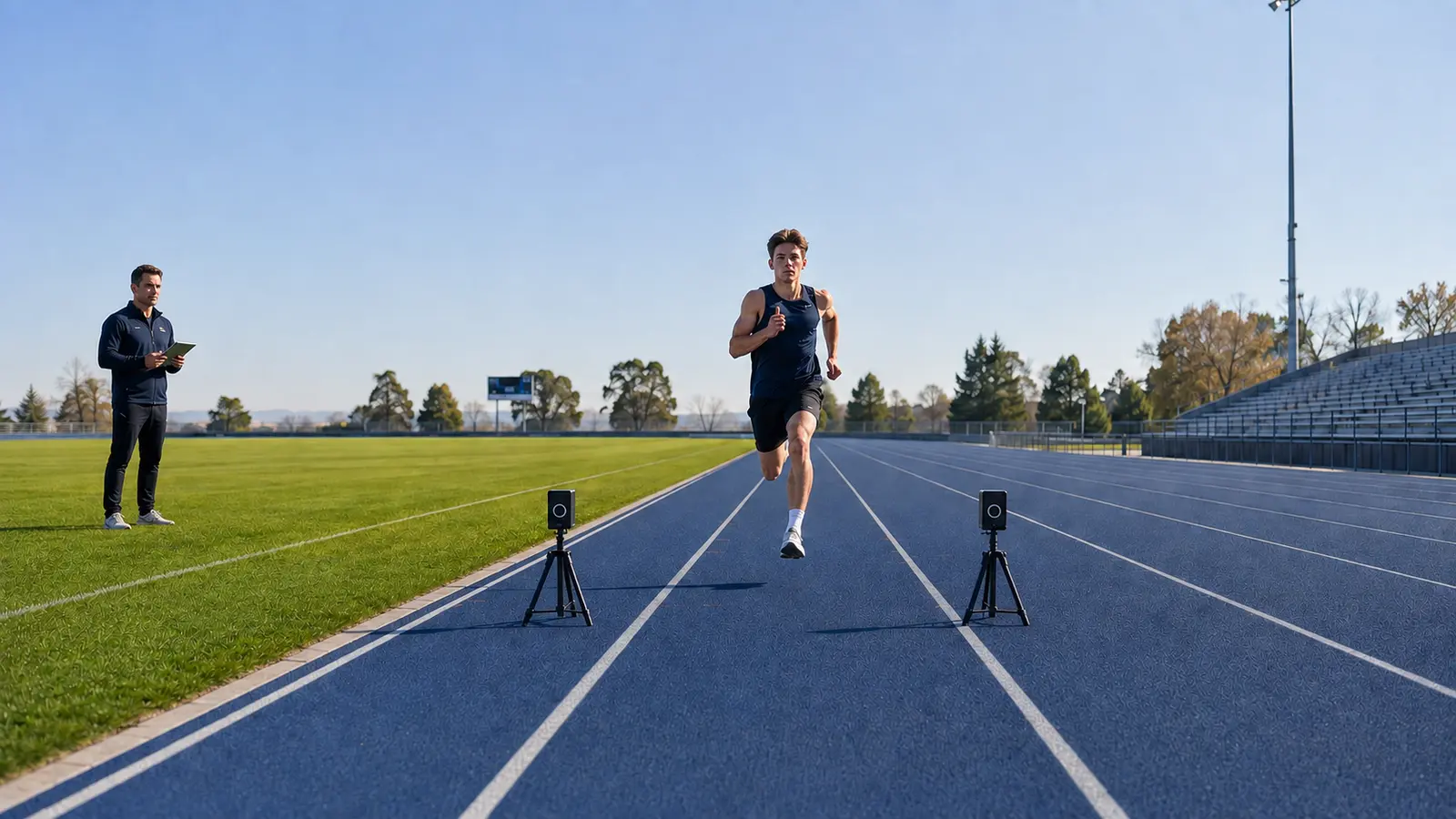
No testing for testing’s sake. Physical and mental-performance tools are selected based on relevance, readiness and the question the assessment needs to answer.
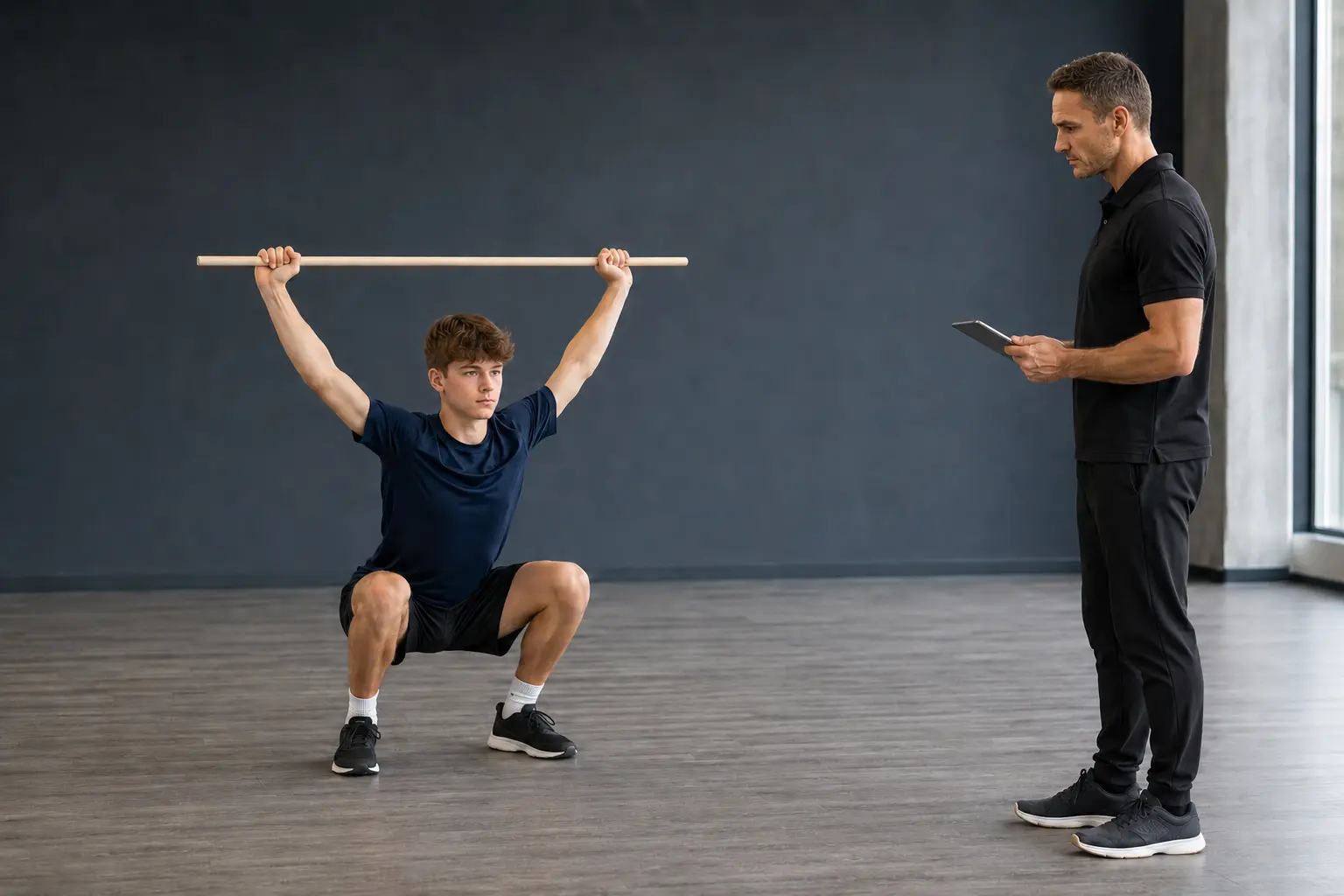
Observe movement patterns, mobility, stability, coordination and motor control.
Evaluate jump strategy, force production, braking, side-to-side differences and how the athlete produces and absorbs force.
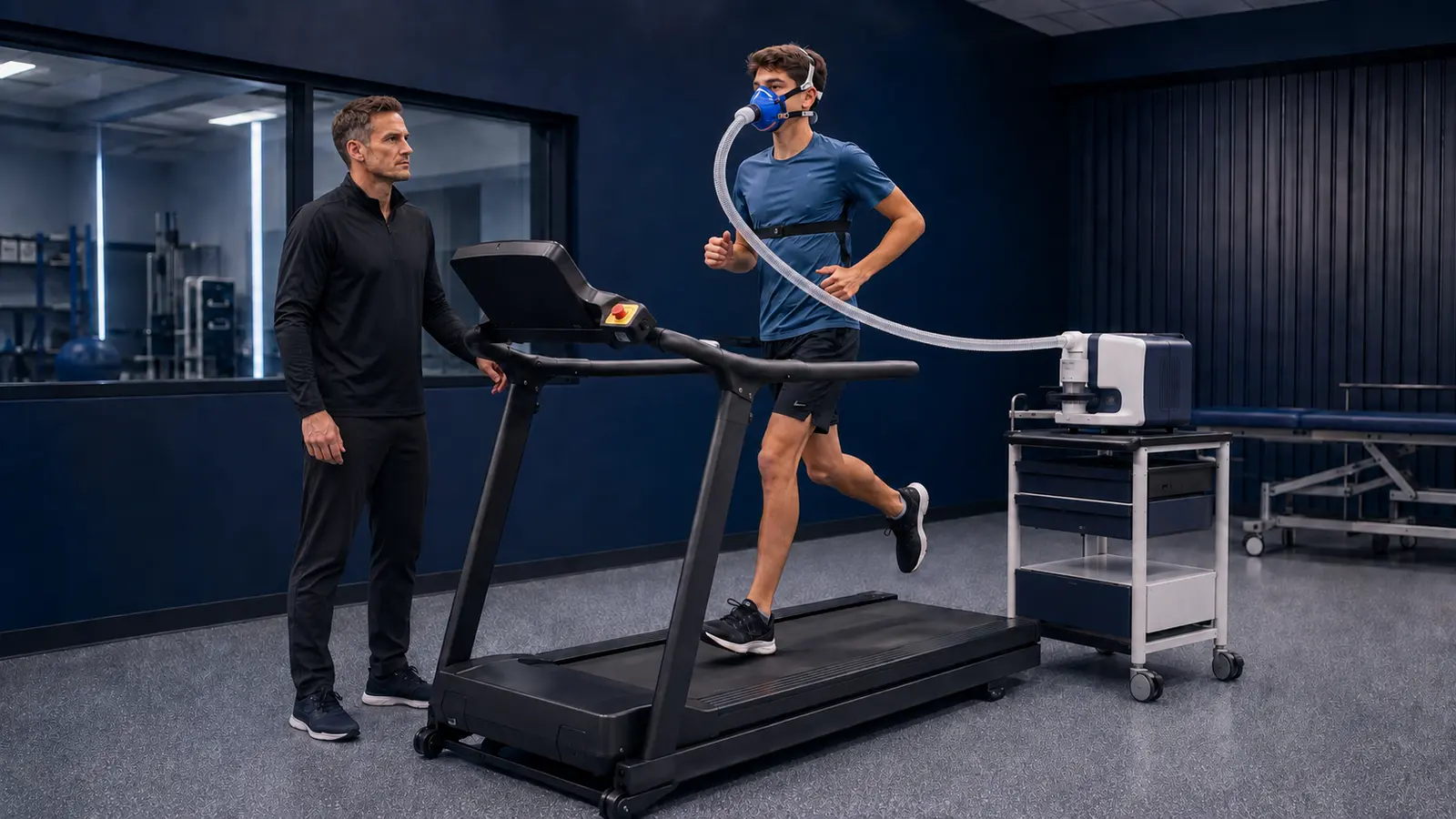
Assess aerobic fitness and recovery capacity to guide conditioning decisions.
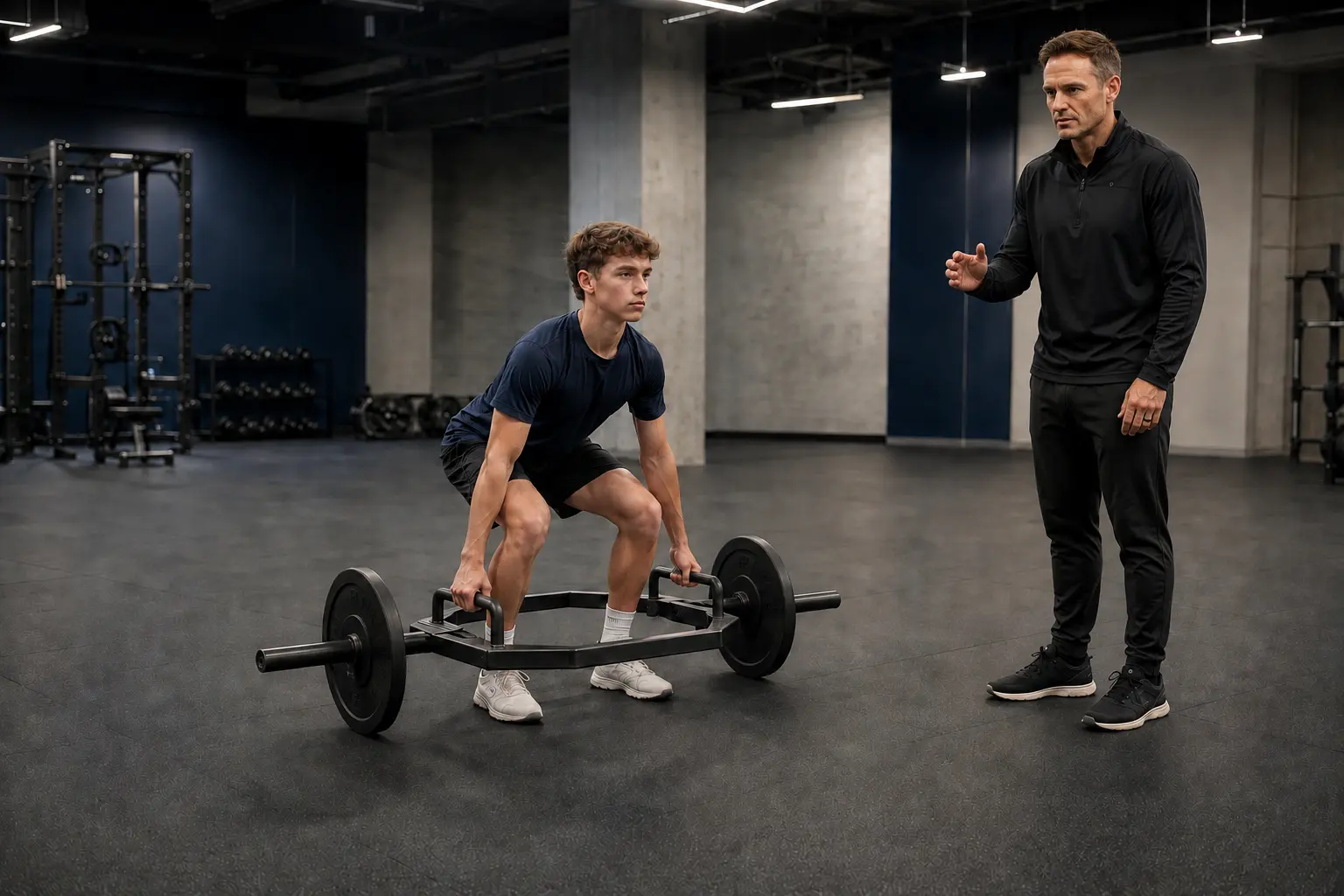
Establish safe, relevant baselines using age- and training-appropriate methods.
Explore confidence, focus, stress response, motivation, communication and performance habits.

 PHYSICAL CAPACITY
 TRANSFER
THE PROCESS
Age, sport, goals, history, schedule and current concerns.
Examine the full development picture and select relevant measures.
Connect the findings across pillars rather than treating them in isolation.
Deliver priorities, next steps, referral needs and a reassessment timeline.
WHAT FAMILIES RECEIVE
ASSESSMENT APPROACH
The format and included components are selected around the athlete’s age, sport, goals, available data and the questions the family needs answered.
A virtual review may include an intake conversation, review of available information, mental-performance profile, schedule and workload review, recovery and fueling context, and a written development plan.
These are examples. The final plan includes only what supports the athlete’s question.
An onsite assessment may include movement screening, force-plate analysis, speed, strength, aerobic or mental-performance assessment and a findings consultation.
Testing is selected for relevance—not assigned as a fixed battery.
See San Antonio assessment details →There is no standard package or published price. Price depends on the athlete, question, format, location, selected assessment components, what is delivered and follow-up. You will know what is included and the price before work begins.
OPEN EDUCATION + INDIVIDUAL DIRECTION
The resource library is open to everyone. An individual assessment is separate custom work built around one athlete’s goals, environment and most important development questions.
15+ years across youth development, professional sport, tactical performance, applied technology, education and human performance.
About Pat →Tell us the athlete’s age, sport, goals, schedule demands and current concerns. We will recommend a custom assessment plan and provide the price before scheduling.
Start an Individual Inquiry →No testing package is assigned until the athlete’s needs are understood.Performance assessment and screening are educational services and do not diagnose injury, disease, nutrition disorders or mental-health conditions. Concerns outside Summit 2911’s scope are referred to qualified professionals.